 تويت
 Engineering Maintenance Resilience in High-Duty Operations
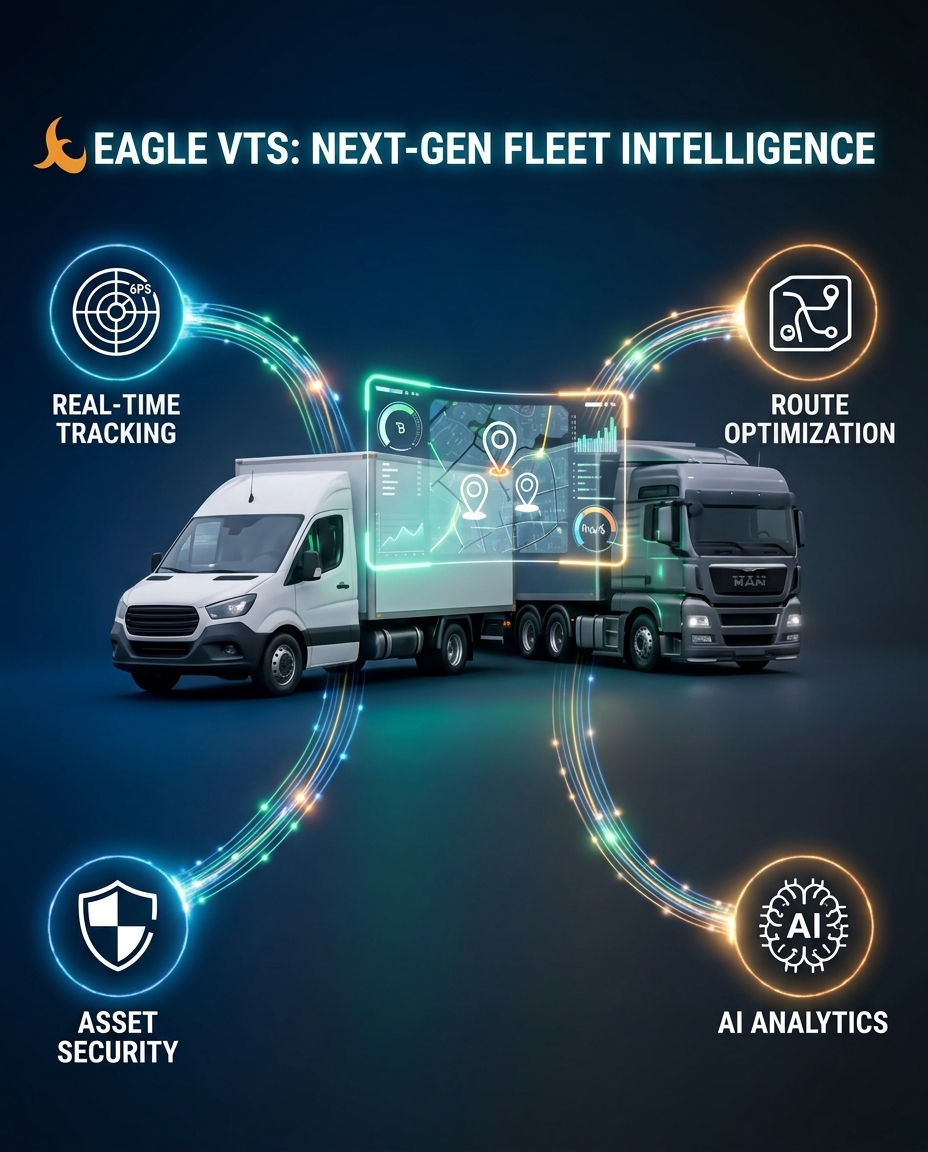
Heavy diesel generators powering remote industrial sites, oil drilling rigs, and major infrastructure projects in Kuwait, the GCC, and North Africa operate under extreme mechanical conditions. High ambient heat, fine airborne particulates, and continuous heavy duty cycles put massive stress on internal engine components, cooling systems, and electrical alternators. Traditional maintenance strategies relying on fixed calendar schedules or manual hour-meter logs are inadequate for protecting high-value power generation assets. Inaccurate operational logging often leads to missed service windows, accelerated engine wear, and catastrophic mechanical breakdowns during peak operational demands.
Unplanned generator failures cause severe project delays, costly emergency repairs, and heavy financial penalties for contractors and rental providers. Modern fleet managers require precise operational data to transition from reactive troubleshooting to predictive maintenance workflows. Fleet Management System FMS provider Utilizing integrated telematics solutions to capture true engine duty cycles allows fleet operators to base maintenance intervals on real engine operating hours, thermal history, and mechanical load profiles. This engineering-driven approach ensures optimal asset performance, prevents unexpected downtime, and maximizes long-term operational returns.
Transitioning to precise, data-driven maintenance requires a robust telematics architecture capable of capturing true mechanical workloads in real time.
Transitioning from Fixed Schedules to Operating-Hour Telematics
Fixed calendar maintenance assumes uniform operating conditions across all fleet assets, regardless of their actual operational demands. A standby generator operating for twenty hours a month receives the exact same calendar service interval as a continuous-duty prime unit running five hundred hours under maximum load. This practice creates severe operational inefficiencies, causing unnecessary service costs for idle machines while exposing heavily used units to component failure. Real-time telemetry hardware connected directly to engine control units (ECU) eliminates these inefficiencies by recording exact engine running hours.
Telematics platforms track engine state transitions, recording exact start timestamps, continuous running duration, stop events, and cumulative operating hours. Digital hour tracking operates independently of manual intervention, eliminating human recording errors or tamper risks. Operations managers establish automated service thresholds—such as 250-hour lube oil changes, 500-hour filter replacements, and 2000-hour major overhaul inspections—based on verified ECU operational data. Servicing machinery based on actual mechanical wear optimizes maintenance spend and ensures high equipment reliability across all active project sites.
Accurate engine hour tracking creates a solid foundation for advanced predictive maintenance analytics that prevent catastrophic component failures.