 تويت
 Diesel Generator Telemetry: Resolving Rental Billing
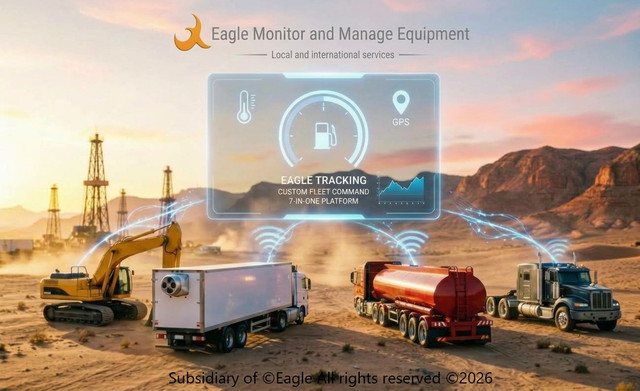
Mobile diesel generators stationed across remote desert infrastructure sites represent high-value assets exposed to severe environmental and operational risks. Rental contractors frequently encounter disputes with site operators regarding actual operating hours, unauthorized equipment overloading, and unrecorded shutdowns caused by extreme heat. Installing specialized generator telematics units directly linked to the generator controller (such as Deep Sea or ComAp units via RS485 Modbus) provides complete visibility into three-phase AC output voltage, frequency stability, fuel level drops, and engine operating hours. Illustrative scenario for field assessment: a 500 kVA rental generator on a remote pipeline project shuts down unexpectedly due to coolant overheating. Telemetry logs reveal the unit was operated continuously at 110 percent capacity during peak afternoon heat while fuel records showed high contamination levels. With verified sensor history on a unified dashboard, rental companies validate exact usage hours, prevent fraudulent downtime claims, and enforce contractually agreed load parameters.
Optimizing HVAC and Cab Climate Control Telemetry to Enhance Driver Safety
Cabin temperatures in parked transport vehicles across Kuwait can reach 70 degrees Celsius within forty minutes of engine shutdown. Drivers operating under these harsh conditions experience physical fatigue, leading to increased reaction times and higher accident risks on regional highways. Integrating cabin thermal sensors with engine idling logic allows fleet operators to monitor cab conditions while managing fuel consumption. GPS tracking system Telemetry controllers allow pre-cooling command sequences before scheduled driver shifts while flagging excessive engine idling that occurs merely to run air conditioning when ambient temperatures are mild. This balanced approach protects driver safety during extreme heat while keeping overall fuel expenditure within budgeted limits across large commercial fleets.
Extending Capital Asset Lifespan through Thermal Stress Mitigation Frameworks
Extending the operational lifespan of heavy equipment and vehicle fleets operating in the GCC requires moving from reactive repair protocols to real-time, sensor-driven asset management. Integrating thermal telemetry, CAN-bus diagnostic polling, and fluid health monitoring into a single cloud dashboard gives decision-makers full control over asset longevity. Fleet managers eliminate catastrophic engine failures, reduce unscheduled field maintenance calls, and maintain higher asset resale values across the Middle East.