 تويت
 Maximizing Fuel Dispatch Efficiency in Dense Metropolitan Traffic
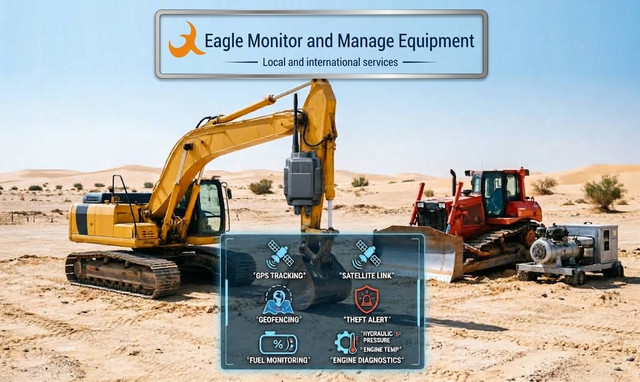
Routing mobile fuel tankers through congested GCC city traffic to refuel distributed generator fleets is a complex logistical challenge. Running out of fuel on site causes total power loss, while dispatching tankers to partially full generators wastes fuel and driver hours. Eagle Tracking's continuous fuel monitoring provides real-time tank level visibility across all deployed assets. Generator Management and Monitoring in Kuwait Logistics managers prioritize refueling routes based on live fuel level data, sending fuel tankers only to units requiring urgent replenishment. Dynamic route optimization avoids heavy traffic congestion, reducing fuel delivery costs and ensuring zero downtime caused by dry fuel tanks.
Optimizing Fleet Maintenance Cycles with Engine Duty Cycle Analytics
Generators operating in high-density construction environments often experience variable load profiles, ranging from light idling during setup to full peak loading during heavy structural pours. Light-load idling causes wet stacking—unburned fuel accumulating in the exhaust system—which degrades engine performance and increases long-term maintenance costs. Eagle Tracking records detailed engine duty cycle analytics, tracking the exact percentage of time spent under light, medium, and full load conditions. Maintenance managers use this data to adjust service schedules, conduct load bank testing when required, and prevent engine damage caused by prolonged idling.
Blueprint for Deploying Smart Telematics in GCC Metropolitan Rental Fleets
Implementing an advanced telematics solution across urban generator fleets requires a structured execution framework. First, assess all fleet assets to select appropriate controller interfaces and sensor configurations for generator models deployed across city sites. Second, equip units with IP67-rated telemetry hardware featuring multi-network roaming SIMs to ensure robust connectivity amidst tall urban structures. Third, configure the Eagle Tracking platform to establish automated alerts for low fuel, thermal spikes, and out-of-bounds movement. Finally, integrate maintenance scheduling modules with mobile service units, ensuring field crews respond rapidly to diagnostic alerts across all metropolitan project locations.