 تويت
تويت
 The Escalating Threat Landscape for High-Value Mobile Assets
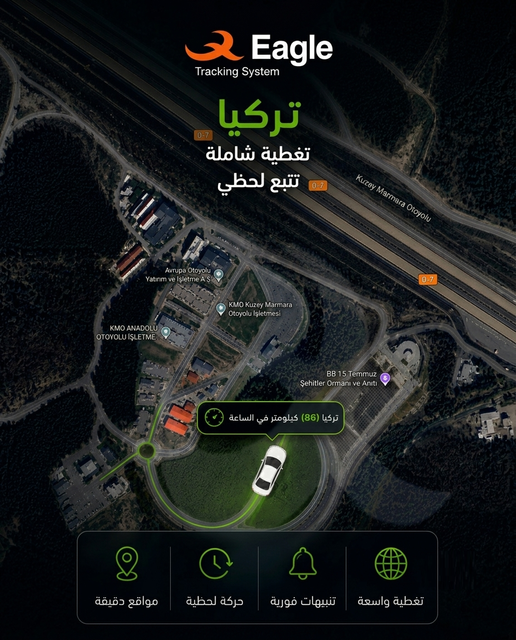
The physical reality of operating a fleet in a high-growth economic zone is that high-value mobile assets are constant targets for organized theft rings. As an engineer who has investigated countless stolen vehicle recoveries, I can attest that thieves are becoming increasingly sophisticated, utilizing signal jammers and bypass techniques to defeat standard security measures. Fleet Directors must understand that a simple tracking device is no longer sufficient; if a thief can disable the tracker or jam its signal, the asset is gone. True asset protection requires a multi-layered, engineered defense strategy that combines hidden hardware, signal redundancy, and remote intervention capabilities to deter, detect, and defeat theft attempts.
Engineering Hidden and Tamper-Resistant Hardware Installations
To counter sophisticated theft techniques, we must first focus on the physical engineering of hidden and tamper-resistant hardware installations. During the installation of Eagle Tracking units, we do not just plug a device into the OBD port; we deeply integrate the primary tracking unit into the vehicle’s internal wiring harness, often concealed behind the dashboard or within the chassis rails. Furthermore, we install secondary, battery-backed micro-trackers in completely separate, (hidden) areas of the vehicle. If the thieves find and destroy the primary unit, the secondary micro-tracker continues to transmit its position. Fleet management systems International This physical redundancy ensures that the asset remains tractable even if the primary security layer is compromised.
Implementing Anti-Jamming and Signal Interference Detection
Physical hardware redundancy naturally leads to the necessity of implementing anti-jamming and signal interference detection protocols. Thieves frequently use GPS and cellular jammers to blind tracking devices while they move the stolen asset. Eagle Tracking hardware is engineered with advanced RF (Radio Frequency) sensing capabilities that continuously monitor the surrounding electromagnetic environment. If the device detects the specific frequency signatures of a jammer, it immediately switches to a high-alert mode. It begins logging the vehicle's movement using internal inertial sensors (accelerometers and gyroscopes) and transmits a high-priority jamming alert to the control center the moment it exits the jammed zone. This ensures that the fleet is never truly blinded.
Detecting a jamming attempt provides the crucial window needed to deploy remote immobilization and engine kill protocols. When the control center receives a theft alert or a jamming detection signal, the dispatcher can initiate a remote immobilization sequence via the Eagle Tracking platform. The system sends a secure, encrypted command to a hidden relay installed in the vehicle’s fuel pump or starter motor circuit. When the vehicle’s speed drops below a safe threshold (e.g., 20 km/h), the relay cuts the fuel or ignition, safely bringing the vehicle to a halt and preventing it from being restarted. This remote intervention capability is the ultimate deterrent, rendering the stolen asset completely useless to the thieves.
Engineering Hidden and Tamper-Resistant Hardware Installations
To counter sophisticated theft techniques, we must first focus on the physical engineering of hidden and tamper-resistant hardware installations. During the installation of Eagle Tracking units, we do not just plug a device into the OBD port; we deeply integrate the primary tracking unit into the vehicle’s internal wiring harness, often concealed behind the dashboard or within the chassis rails. Furthermore, we install secondary, battery-backed micro-trackers in completely separate, (hidden) areas of the vehicle. If the thieves find and destroy the primary unit, the secondary micro-tracker continues to transmit its position. Fleet management systems International This physical redundancy ensures that the asset remains tractable even if the primary security layer is compromised.
Implementing Anti-Jamming and Signal Interference Detection
Physical hardware redundancy naturally leads to the necessity of implementing anti-jamming and signal interference detection protocols. Thieves frequently use GPS and cellular jammers to blind tracking devices while they move the stolen asset. Eagle Tracking hardware is engineered with advanced RF (Radio Frequency) sensing capabilities that continuously monitor the surrounding electromagnetic environment. If the device detects the specific frequency signatures of a jammer, it immediately switches to a high-alert mode. It begins logging the vehicle's movement using internal inertial sensors (accelerometers and gyroscopes) and transmits a high-priority jamming alert to the control center the moment it exits the jammed zone. This ensures that the fleet is never truly blinded.
Detecting a jamming attempt provides the crucial window needed to deploy remote immobilization and engine kill protocols. When the control center receives a theft alert or a jamming detection signal, the dispatcher can initiate a remote immobilization sequence via the Eagle Tracking platform. The system sends a secure, encrypted command to a hidden relay installed in the vehicle’s fuel pump or starter motor circuit. When the vehicle’s speed drops below a safe threshold (e.g., 20 km/h), the relay cuts the fuel or ignition, safely bringing the vehicle to a halt and preventing it from being restarted. This remote intervention capability is the ultimate deterrent, rendering the stolen asset completely useless to the thieves.