 تويت
تويت
 Building a Resilient Fleet Operation for the GCC Market
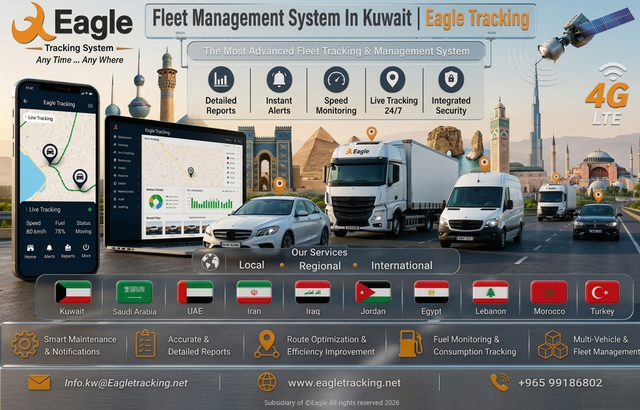
Succeeding in the competitive GCC logistics market requires a deep understanding of local environmental and regulatory challenges. A specialized fleet management system provides the visibility needed to manage extreme heat, track cross-border shipments, and ensure cold chain compliance. Investing in a robust, regional telematics solution allows businesses to optimize asset performance, lower operating costs, and deliver reliable service across the region.
Optimizing Cold Chain Integrity for Fresh and Pharmaceutical Cargo
Maintaining strict temperature control is essential when transporting perishable food and pharmaceuticals across long desert routes. A minor failure in a trailer's refrigeration unit can ruin an entire shipment, leading to high financial losses and cargo rejection. Advanced vehicle tracking solutions in Kuwait platforms integrate directly with independent temperature sensors and reefer controllers, providing real-time cargo temperature tracking. If temperatures drift outside approved ranges, the system sends instant alerts, allowing drivers to fix refrigeration issues before the cargo is compromised.
Managing Multi-Country Transit and Cross-Border Customs Corridors
Logistics providers in the GCC frequently manage long-distance routes connecting industrial centers like Riyadh, Kuwait, Doha, and Dubai. Cross-border transit involves complex customs processes that can result in long delays at border checkpoints. A professional fleet management platform uses multi-network roaming SIM cards to ensure seamless tracking across borders without data gaps. Geofencing border zones allows management to track exact wait times at customs checkpoints, helping teams refine delivery schedules and keep clients updated with accurate arrival estimates.
Maximizing Profit Margins Through Advanced Fuel Intelligence
Controlling fuel expenses requires continuous monitoring and precise data, rather than occasional audits or manual logs. Implementing a dedicated fuel tracking system gives fleet operators the tools to stop theft, curb wasteful habits, and optimize daily routing. Taking full control of fuel data helps businesses lower operating costs and remain highly competitive, even during periods of volatile energy pricing.
Optimizing Cold Chain Integrity for Fresh and Pharmaceutical Cargo
Maintaining strict temperature control is essential when transporting perishable food and pharmaceuticals across long desert routes. A minor failure in a trailer's refrigeration unit can ruin an entire shipment, leading to high financial losses and cargo rejection. Advanced vehicle tracking solutions in Kuwait platforms integrate directly with independent temperature sensors and reefer controllers, providing real-time cargo temperature tracking. If temperatures drift outside approved ranges, the system sends instant alerts, allowing drivers to fix refrigeration issues before the cargo is compromised.
Managing Multi-Country Transit and Cross-Border Customs Corridors
Logistics providers in the GCC frequently manage long-distance routes connecting industrial centers like Riyadh, Kuwait, Doha, and Dubai. Cross-border transit involves complex customs processes that can result in long delays at border checkpoints. A professional fleet management platform uses multi-network roaming SIM cards to ensure seamless tracking across borders without data gaps. Geofencing border zones allows management to track exact wait times at customs checkpoints, helping teams refine delivery schedules and keep clients updated with accurate arrival estimates.
Maximizing Profit Margins Through Advanced Fuel Intelligence
Controlling fuel expenses requires continuous monitoring and precise data, rather than occasional audits or manual logs. Implementing a dedicated fuel tracking system gives fleet operators the tools to stop theft, curb wasteful habits, and optimize daily routing. Taking full control of fuel data helps businesses lower operating costs and remain highly competitive, even during periods of volatile energy pricing.